
What is Post Traumatic Stress Disorder (PTSD)?
PTSD develops after experiencing or witnessing traumatic events. A diagnosis usually requires symptoms, such as intrusive thoughts, avoidance behaviours, mood disturbances, and heightened arousal, to be experienced for more than one month. These symptoms can severely impair daily functioning and overall wellbeing. Early identification and timely treatment are essential to alleviate distress, promote resilience, and support long-term recovery.
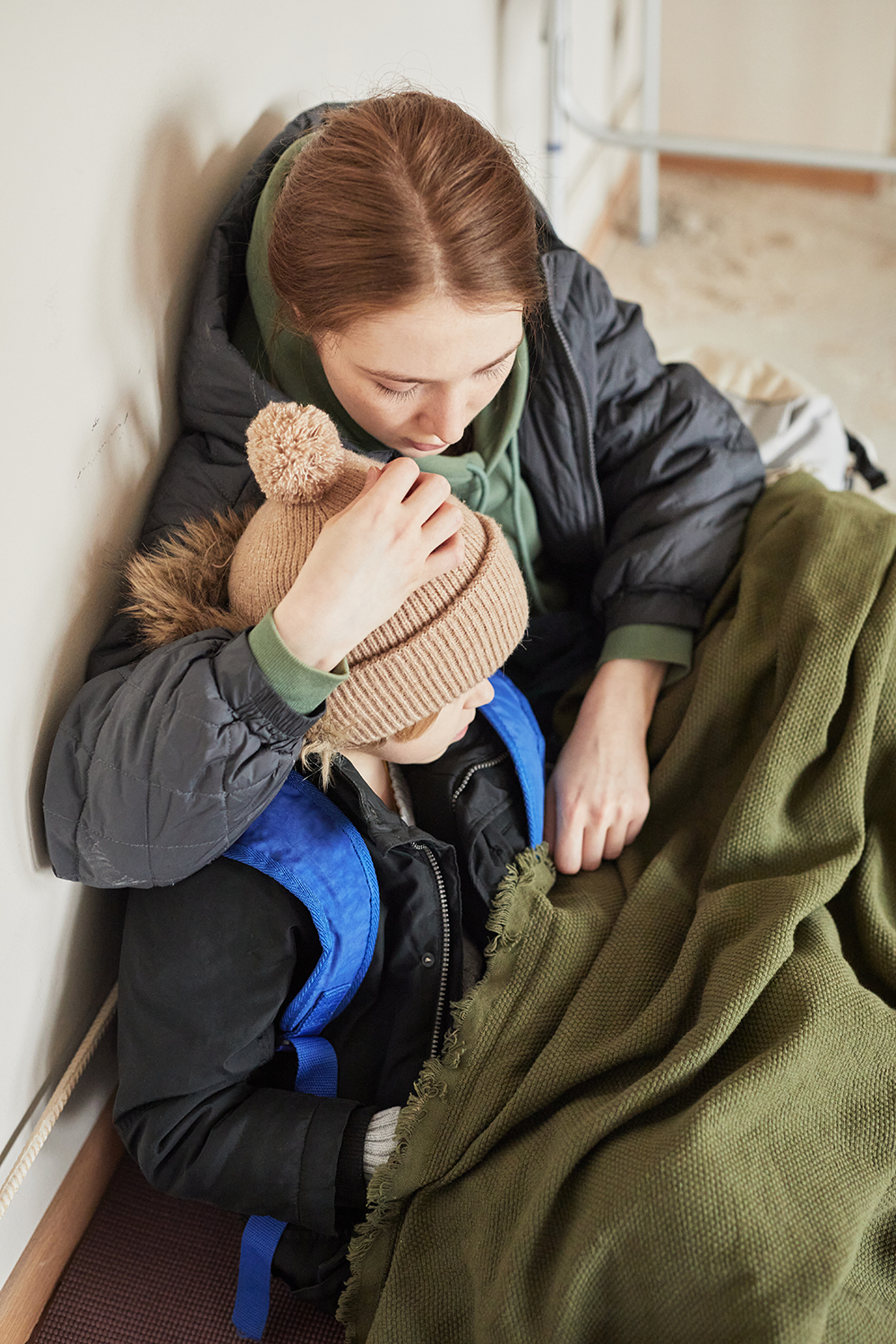
What are the common symptoms?
While it is normal to feel fear and stress immediately after trauma, PTSD occurs when these reactions persist for more than a month and interfere with daily life.
PTSD can affect anyone, regardless of age or background, and may appear weeks, months, or even years after the event. PTSD symptoms are outlined below:
- Intrusive memories – unwanted, distressing recollections of the trauma.
- Flashbacks – feeling as if the traumatic event is happening again.
- Nightmares – disturbing dreams related to the trauma.
- Avoidance – steering clear of reminders, places, or people linked to the event.
- Negative mood changes – persistent feelings of guilt, shame, or hopelessness.
- Hypervigilance – being constantly on guard or easily startled.
- Sleep disturbances – difficulty falling or staying asleep.
- Difficulty concentrating – trouble focusing on tasks or conversations.
Why do I feel like this?
Feeling overwhelmed, anxious, or disconnected is common because trauma alters how the brain processes stress and emotions. PTSD affects both mind and body, creating emotional turmoil and physical symptoms like fatigue or tension. The underlying mechanisms of PTSD are explained below:
Hyperarousal and Anxiety
PTSD keeps the body in a constant “fight or flight” state, causing hyperarousal. This leads to anxiety, irritability, and difficulty relaxing. The brain perceives threats even in safe environments, making everyday situations feel overwhelming. This heightened alertness explains why you may feel tense and on edge.
Intrusive Memories and Flashbacks
Emotional Numbing and Detachment
Negative Thought Patterns
PTSD often fosters negative beliefs like “I am unsafe” or “It is my fault.” These thoughts amplify guilt, shame, and hopelessness. Such cognitive distortions can lead to emotional distress, making recovery harder.
How does therapy help?
Therapy provides a safe space to process trauma, reduce symptoms, and rebuild emotional resilience. The benefits of therapy for someone who has been diagnosed with PTSD, are outlined below:
Symptom Reduction
Therapy helps decrease intrusive thoughts, flashbacks, and hyperarousal by teaching coping strategies and grounding techniques, reducing distress and improving daily functioning.
Skill Development
Clients learn practical coping skills, mindfulness, and stress management techniques to handle triggers and maintain long-term emotional health.
Cognitive Restructuring
Therapists guide clients to challenge negative beliefs and replace them with balanced thoughts, improving self-esteem and reducing guilt or shame.
Exposure Therapy
Gradual exposure to trauma-related memories or situations reduces avoidance behaviours, helping individuals regain confidence and control over their lives.
Social Connection
Therapy encourages rebuilding trust and relationships, reducing isolation and promoting supportive networks essential for recovery.
What are the therapy options that Transformations Clinical Psychology can offer me?
Please contact us or follow this link if you would like to set up an assessment with a Psychologist at Transformations Clinical Psychology.
Meet Our Team
Meet our friendly and experienced team, here to help you with confidence and care.







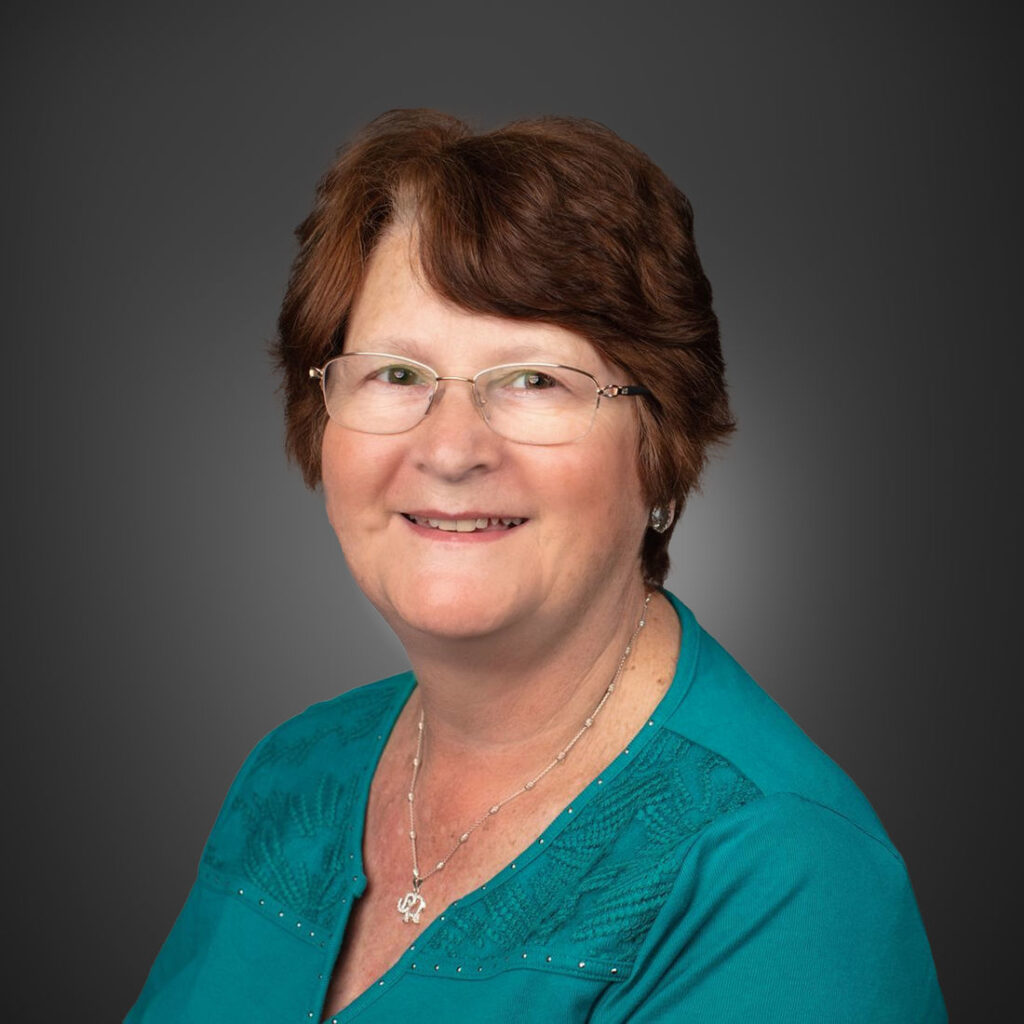

Amy Wang
Mandarin
English


We are here to support you
Please contact us or click on this link if you would like to see one of our experienced psychologists
FAQ
Q1. What happens in the first session? Do I need to prepare?
Your first appointment is 50–60 minutes. We’ll get to know you—what’s been hard, what you’d like to change, and what’s helped before. You’re welcome to bring notes or just come as you are; we’ll go at your pace. Please complete the online intake and consent forms beforehand. Sessions are available in person (Sydney) or via secure telehealth across Australia. We’ll finish with a clear plan and time for your questions. If you’re in immediate danger, call 000.
Q2. How do fees and Medicare/private insurance work? Do I need a GP referral?
You can book without a referral. If your GP provides a Mental Health Treatment Plan, you may be eligible for a Medicare rebate. We’ll check your eligibility and confirm your out-of-pocket cost before you commit. Private health (Extras) can’t be claimed with Medicare for the same session—please check your fund for coverage. If cost is a concern, let us know and we’ll talk through options.
Q3. Will my information be kept confidential?
Yes. Your sessions and records are kept private under strict legal and ethical standards. There are a few exceptions—if there’s a serious risk of harm, concerns about a child or vulnerable person, or a court order. If we ever need to share information, we’ll explain why, what will be shared, and involve you as much as possible.