
Anxiety & Panic Counselling in Sydney
Although it is common to feel stressed or worried in situations where we are under pressure, for those living with anxiety, these feelings do not simply fade away. Anxiety can persist, affecting daily life with constant worry and physical symptoms such as tension, restlessness or fatigue.
If you are experiencing ongoing anxiety or panic attacks, professional support can make a meaningful difference. At Transformations Psychology in Chatswood, we provide evidence-based Anxiety & Panic Counselling for clients across Sydney’s North Shore and Greater Sydney, helping you regain control and confidence.
You don’t have to manage this alone.

What Are the Common Symptoms of Anxiety & Panic Disorder?
Anxiety and Panic Disorders are common mental health conditions that affect millions of people worldwide. Anxiety is characterised by persistent feelings of worry, fear or unease, often disproportionate to the actual situation.
Panic Disorder, a subtype of anxiety, involves sudden and intense episodes of fear known as panic attacks. These episodes can occur unexpectedly and cause significant distress.
Symptoms can manifest physically, emotionally and behaviourally, often overlapping between anxiety and panic disorders. Common symptoms include:
- Excessive worry or fear
- Rapid heartbeat (palpitations)
- Shortness of breath
- Sweating or trembling
- Chest pain or discomfort
- Feeling of impending doom
- Dizziness or light-headedness
- Gastrointestinal distress
If these symptoms are interfering with your work, relationships or daily activities, Anxiety & Panic Counselling can help reduce their intensity and frequency.
Why do I feel like this?
Feeling anxious can be unsettling. Understanding the underlying causes is often the first step towards managing it effectively. Anxiety typically stems from a combination of contributing factors rather than a single cause.
Genetic Predisposition
If anxiety disorders are common among relatives, you may inherit a biological tendency to experience similar symptoms. While this does not guarantee anxiety, it can increase vulnerability when combined with other stressors.
Environmental Stressors
External pressures such as workplace burnout, academic deadlines or financial strain can accumulate over time. Without effective coping strategies, these stressors may lead to persistent worry and tension.
Past Traumatic Experiences
Traumatic events such as accidents, bereavement or emotional abuse can leave lasting psychological imprints. Even years later, reminders may resurface and intensify anxiety responses.
Lifestyle and Health Factors
Sleep quality, physical activity, caffeine intake and diet significantly influence emotional wellbeing. Poor lifestyle habits can amplify anxiety symptoms and increase emotional reactivity.
Through professional counselling, we work with you to identify the factors contributing to your anxiety and develop practical strategies tailored to your needs.
How Does Anxiety & Panic Counselling Help?
Therapy provides a structured, safe and confidential space to explore fears while developing practical tools to manage both emotional and physical symptoms. Our psychologists in Chatswood use evidence-based therapies including Cognitive Behavioural Therapy (CBT), Acceptance & Commitment Therapy (ACT) and exposure-based techniques.
Therapy assists with:
Identifying Triggers
We help uncover specific triggers contributing to anxiety or panic. Understanding patterns reduces unpredictability and empowers proactive management.
Cognitive Restructuring
CBT challenges irrational or catastrophic thoughts and replaces them with balanced, realistic perspectives - reducing emotional intensity and improving resilience.
Skill Development
You’ll learn coping skills such as breathing exercises, grounding techniques and mindfulness practices to manage high-stress situations effectively.
Gradual Exposure
Exposure therapy reduces fear by safely confronting anxiety-inducing situations in structured steps, building confidence and reducing avoidance behaviours over time.
Emotional Support
Therapy provides a non-judgemental environment where you can express concerns openly, fostering trust and reducing feelings of isolation.
Long-Term Strategies
Our goal is sustainable improvement. We equip you with relapse-prevention strategies and ongoing stress-management tools to maintain progress beyond therapy sessions.
Contact our reception on (02) 9419 8820 or visit our Contact page to book an appointment.
What are the therapy options that Transformations Clinical Psychology can offer me?
Please contact us or follow this link if you would like to set up an assessment with a Psychologist at Transformations Clinical Psychology.
Meet Our Team
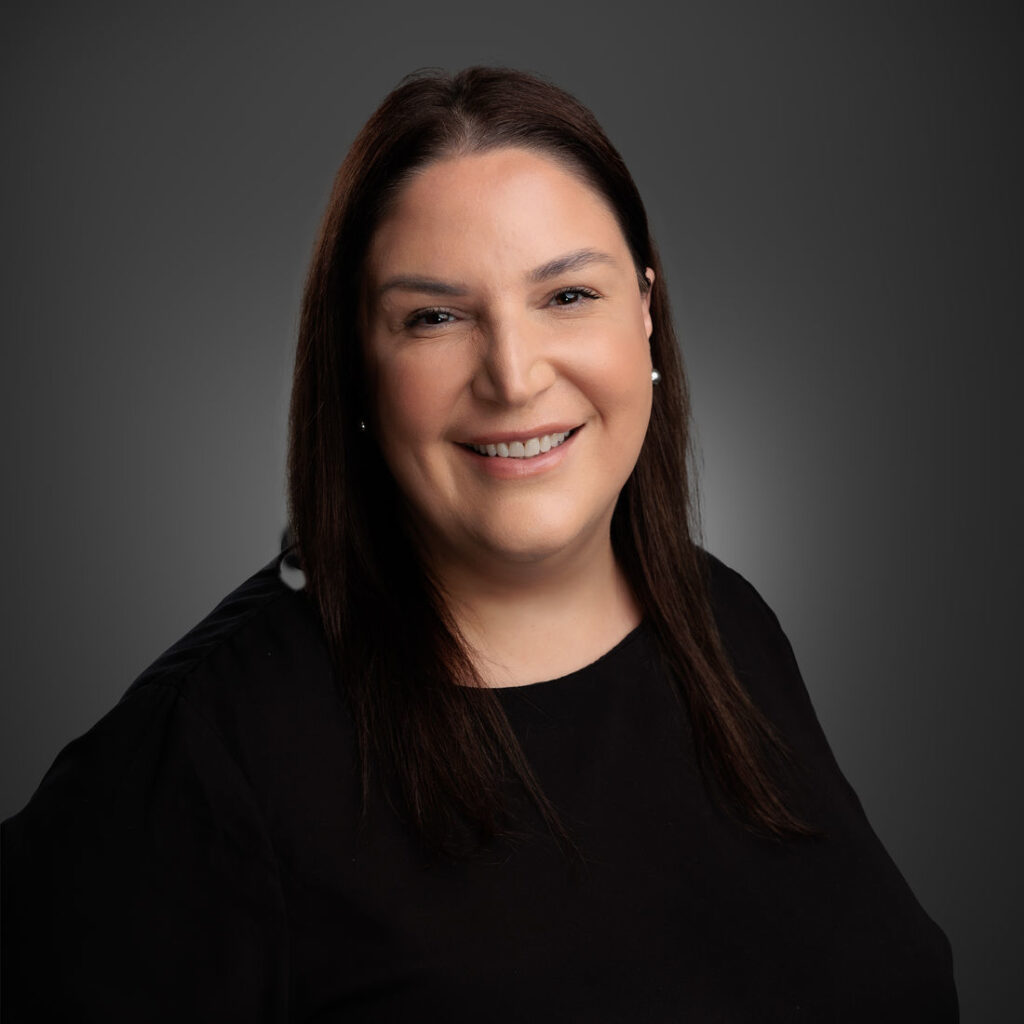
Meet our friendly and experienced team, here to help you with confidence and care.
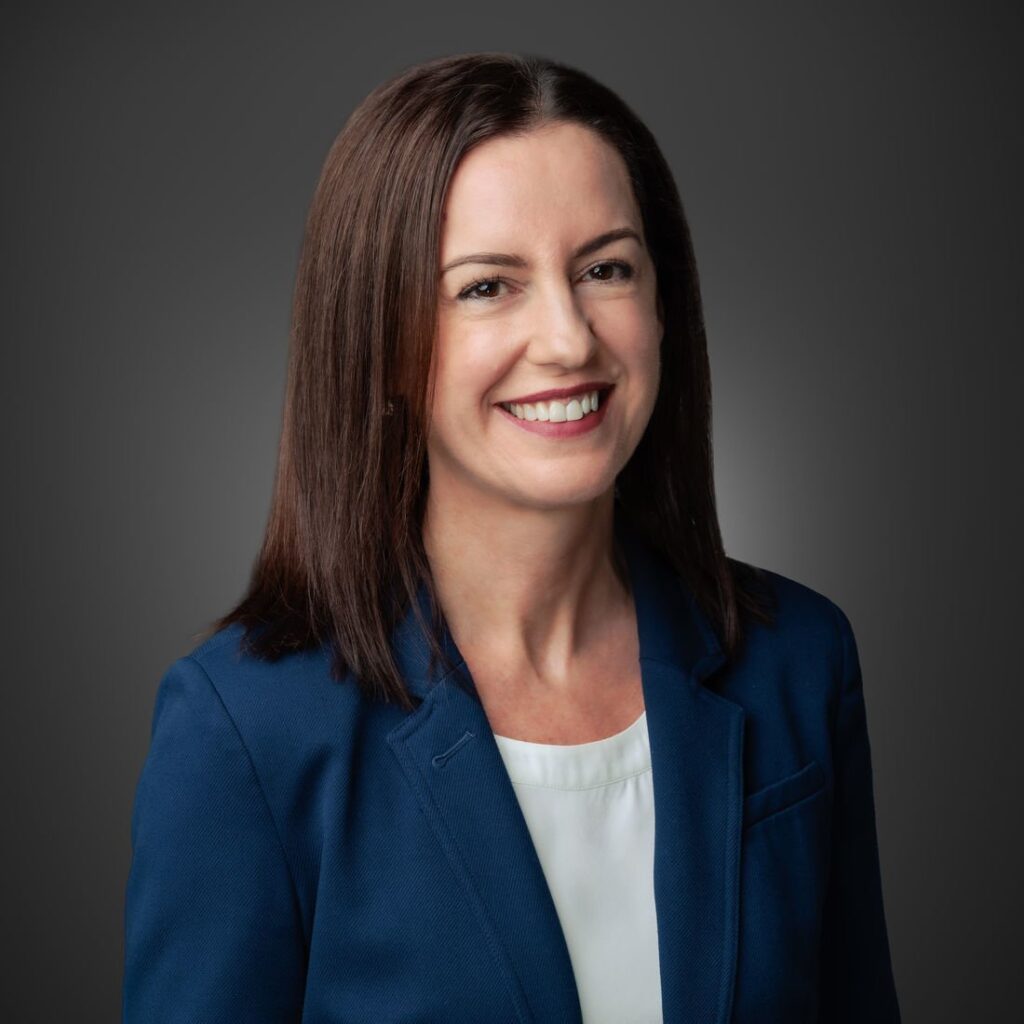






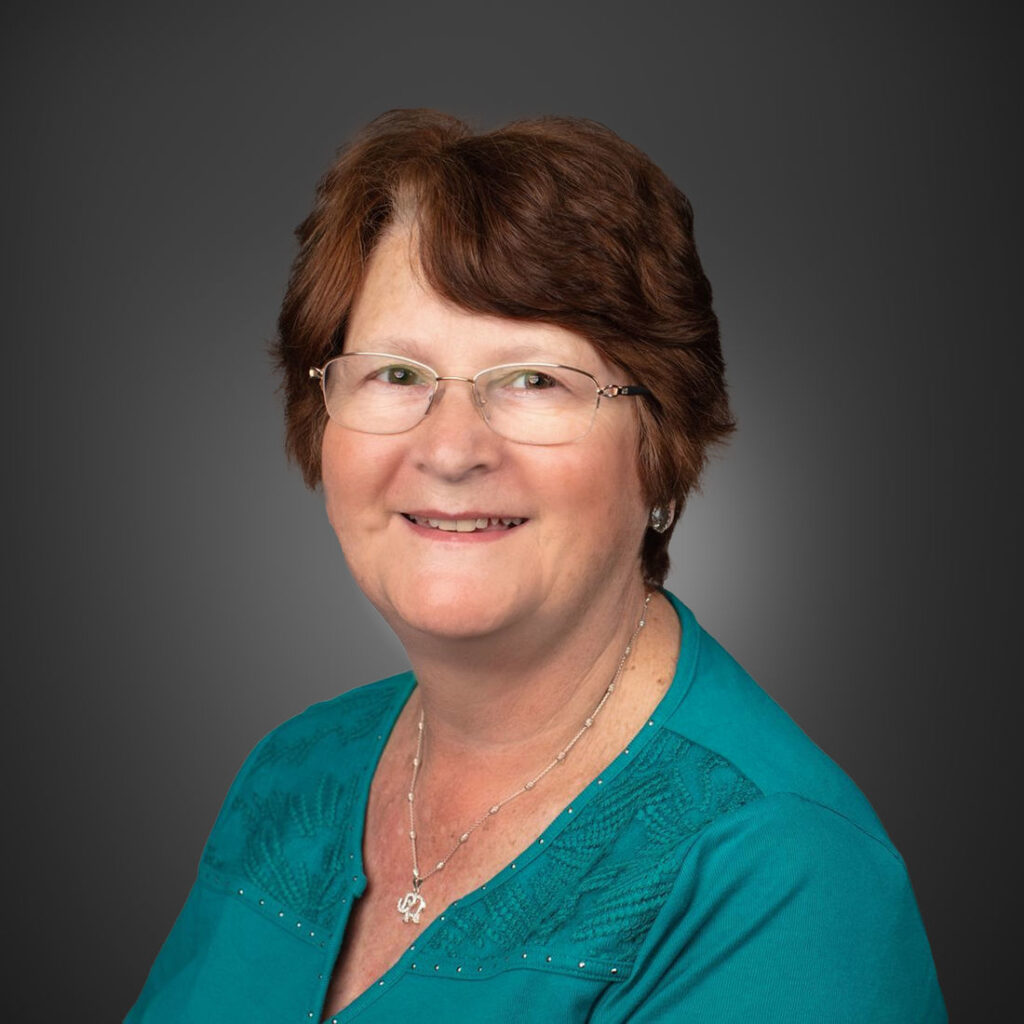
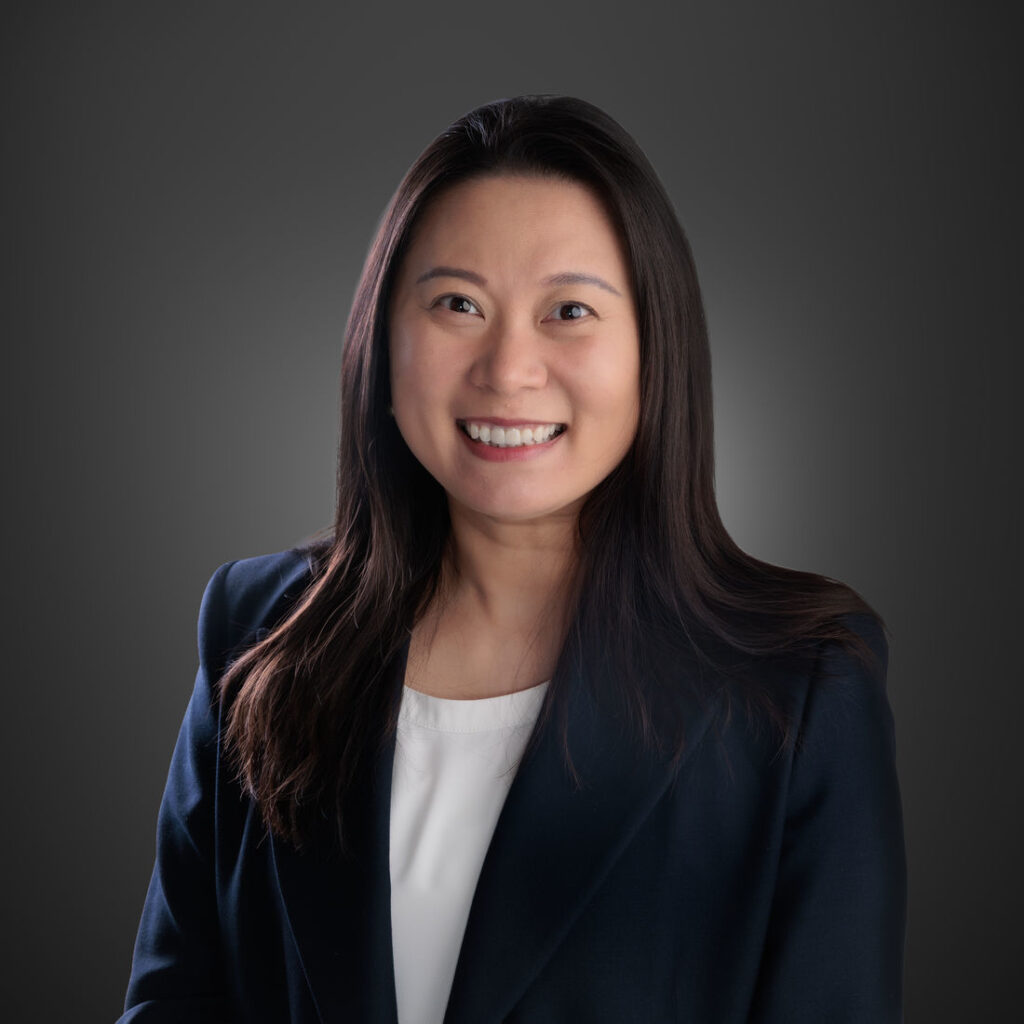
Amy Wang
Mandarin
English

We are here to support you
Please contact us or click on this link if you would like to see one of our experienced psychologists
FAQ
Q1. What happens in the first session? Do I need to prepare?
Your first appointment is 50–60 minutes. We’ll get to know you—what’s been hard, what you’d like to change, and what’s helped before. You’re welcome to bring notes or just come as you are; we’ll go at your pace. Please complete the online intake and consent forms beforehand. Sessions are available in person (Sydney) or via secure telehealth across Australia. We’ll finish with a clear plan and time for your questions. If you’re in immediate danger, call 000.
Q2. How do fees and Medicare/private insurance work? Do I need a GP referral?
You can book without a referral. If your GP provides a Mental Health Treatment Plan, you may be eligible for a Medicare rebate. We’ll check your eligibility and confirm your out-of-pocket cost before you commit. Private health (Extras) can’t be claimed with Medicare for the same session—please check your fund for coverage. If cost is a concern, let us know and we’ll talk through options.
Q3. Will my information be kept confidential?
Yes. Your sessions and records are kept private under strict legal and ethical standards. There are a few exceptions—if there’s a serious risk of harm, concerns about a child or vulnerable person, or a court order. If we ever need to share information, we’ll explain why, what will be shared, and involve you as much as possible.
Q4. How effective is Anxiety & Panic Counselling?
Research shows evidence-based therapies such as CBT are highly effective in reducing anxiety symptoms and preventing relapse.
Q5. How many sessions will I need?
This varies depending on severity and personal goals. Many clients notice improvement within 6–12 sessions.
Q6. Can counselling stop panic attacks completely?
Many clients experience a significant reduction or complete cessation of panic attacks with consistent therapy and practice.
Q7. Do you offer online counselling for anxiety?
Yes, we provide secure Telehealth sessions for clients across Australia.