
What is ADHD?

What are the common symptoms?
Symptoms are not due to lack of intelligence or effort but stem from differences in brain function and development.
Some common symptoms include:
- Difficulty focusing
- Struggling to remember things
- Trouble following instructions
- Impulsivity
- Restlessness
- Easily distracted
- Frequently interrupting other people
ADHD presents with three main types: predominantly inattentive, predominantly hyperactive-impulsive, and combined. While its exact causes remain unclear, research suggests a mix of genetic, neurological, and environmental factors which are further outlined below:
Why do I feel like this?
ADHD influences more than attention. It impacts emotions too. The ADHD brain processes information and stress differently, which can lead to sudden overwhelm, frustration, or intense emotional highs and lows.
GENETICS
ADHD is highly heritable, meaning if a parent or sibling has ADHD, you may too. However, no single gene causes ADHD. Rather, multiple genetic and environmental factors contribute to its development.
BRAIN STRUCTURES
Research indicates that individuals with ADHD often exhibit structural differences in certain brain regions, such as the prefrontal cortex and basal ganglia. These variations in size and development may influence attention regulation, impulse control, and executive functioning.
MEDICAL CONDITIONS
NEUROTRANSMITTERS
An imbalance in neurotransmitters, particularly dopamine and norepinephrine, is linked to ADHD. These chemicals regulate attention, impulse control, and executive function. Disruptions in their levels can impair neural communication, contributing to symptoms such as hyperactivity, inattention, and difficulty sustaining focus
How does therapy help?
Effective management often involves behavioural strategies, educational support, and, in some cases, medication. Early identification and tailored interventions can significantly improve quality of life.
Therapy focuses on building coping strategies, improving self-awareness, and enhancing daily functioning. It is not just about symptom control. It is also about creating sustainable habits for a balanced, productive life.
Improves Emotional Regulation
Therapy teaches techniques to manage frustration, anxiety, and mood swings, helping individuals respond calmly to stressors and maintain emotional balance in challenging situations.
Enhances Organisational Skills
Structured strategies like time management, prioritisation, and planning reduce overwhelm, enabling individuals to meet deadlines and maintain productivity in personal and professional settings.
Builds Self-Awareness
Therapy encourages reflection on thought patterns and behaviours, helping individuals recognise triggers and adopt healthier responses to improve decision-making and interpersonal relationships.
Reduces Impulsivity
Through behavioural interventions, therapy helps individuals pause before acting, fostering better control over impulsive decisions and promoting thoughtful, goal-oriented actions.
Strengthens Coping Mechanisms
Therapy equips individuals with practical tools to handle setbacks, stress, and distractions, ensuring resilience and adaptability in everyday life.
Supports Long-Term Success
By creating personalised strategies and reinforcing positive habits, therapy ensures sustainable progress, improving confidence and overall quality of life.
What are the therapy options that Transformations Clinical Psychology can offer me?
Please contact us or follow this link if you would like to set up an assessment with a Psychologist at Transformations Clinical Psychology.
Meet Our Team
Meet our friendly and experienced team, here to help you with confidence and care.







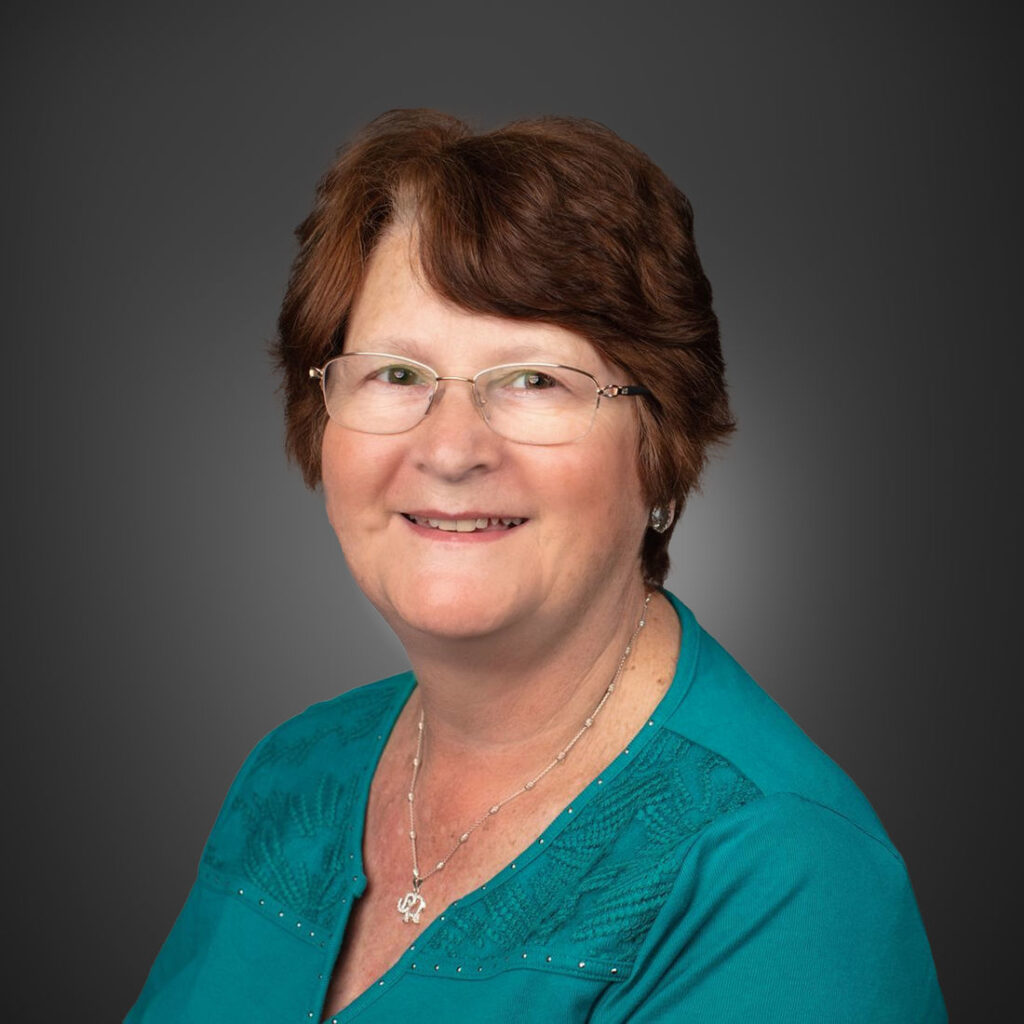

Amy Wang
Mandarin
English


We are here to support you
Please contact us or click on this link if you would like to see one of our experienced psychologists
FAQ
Q1. What happens in the first session? Do I need to prepare?
Your first appointment is 50–60 minutes. We’ll get to know you—what’s been hard, what you’d like to change, and what’s helped before. You’re welcome to bring notes or just come as you are; we’ll go at your pace. Please complete the online intake and consent forms beforehand. Sessions are available in person (Sydney) or via secure telehealth across Australia. We’ll finish with a clear plan and time for your questions. If you’re in immediate danger, call 000.
Q2. How do fees and Medicare/private insurance work? Do I need a GP referral?
You can book without a referral. If your GP provides a Mental Health Treatment Plan, you may be eligible for a Medicare rebate. We’ll check your eligibility and confirm your out-of-pocket cost before you commit. Private health (Extras) can’t be claimed with Medicare for the same session—please check your fund for coverage. If cost is a concern, let us know and we’ll talk through options.
Q3. Will my information be kept confidential?
Yes. Your sessions and records are kept private under strict legal and ethical standards. There are a few exceptions—if there’s a serious risk of harm, concerns about a child or vulnerable person, or a court order. If we ever need to share information, we’ll explain why, what will be shared, and involve you as much as possible.