
Obsessive-Compulsive Disorder

What are the common symptoms?
OCD is not simply about being neat or organised, it involves overwhelming urges that feel uncontrollable, often causing emotional exhaustion. People with OCD may recognise that their thoughts and behaviours are irrational, yet feel compelled to act on them to relieve discomfort. Symptoms vary in intensity and can fluctuate over time, often worsening during periods of stress. Below are some common symptoms experienced by those with OCD
- Intrusive, unwanted thoughts or images
- Excessive cleaning or washing rituals
- Repeated checking behaviours
- Fear of contamination or germs
- Need for symmetry or exactness
- Hoarding or difficulty discarding items
- Mental rituals (e.g., counting, repeating words)
- Avoidance of triggers causing obsessions
Why do I feel like this?
As outlined above, OCD is characterised by persistent, unwanted thoughts (obsessions) and repetitive behaviours (compulsions) aimed at reducing anxiety. Feeling this way often stems from the brain’s attempt to regain control and certainty in stressful or uncertain situations. These thoughts and behaviours can feel overwhelming, leading to distress and frustration. Below are further explanations as to why OCD may develop:
Biological Factors
Psychological Triggers
Environmental Influences
Cognitive Patterns
How does therapy help?
Therapy provides individuals with tools to understand their symptoms, challenge irrational beliefs, and reduce compulsive actions. Through evidence-based approaches like Cognitive Behavioural Therapy (CBT) and Exposure and Response Prevention (ERP), therapy empowers people to regain control over their lives. The benefits of therapy are further outlined below:
Understanding OCD
Therapy educates individuals about OCD’s nature, helping them recognise triggers and patterns. This awareness reduces fear and confusion, laying the foundation for effective coping strategies and symptom management.
Cognitive Restructuring
CBT challenges irrational thoughts driving obsessions. By reframing these beliefs, individuals learn healthier thinking patterns, reducing anxiety and breaking the cycle of compulsions over time.
Exposure and Response Prevention (ERP)
ERP gradually exposes individuals to feared situations without performing compulsions. This process desensitises anxiety triggers, teaching tolerance and reducing reliance on repetitive behaviours for relief.
Skill Development
Therapy equips individuals with coping tools like mindfulness and stress management. These skills enhance emotional regulation, improve resilience, and support long-term recovery beyond symptom reduction.
Relapse Prevention
Therapists help create personalised plans to maintain progress. Identifying early warning signs and reinforcing strategies ensures individuals can manage setbacks and sustain improvements effectively.
Improved Quality of Life
By reducing OCD symptoms, therapy restores daily functioning and relationships. Individuals experience greater confidence, independence, and emotional well-being, fostering a more fulfilling and balanced life.
What are the therapy options that Transformations Clinical Psychology can offer me?
Please contact us or follow this link if you would like to set up an assessment with a Psychologist at Transformations Clinical Psychology.
Meet Our Team
Meet our friendly and experienced team, here to help you with confidence and care.







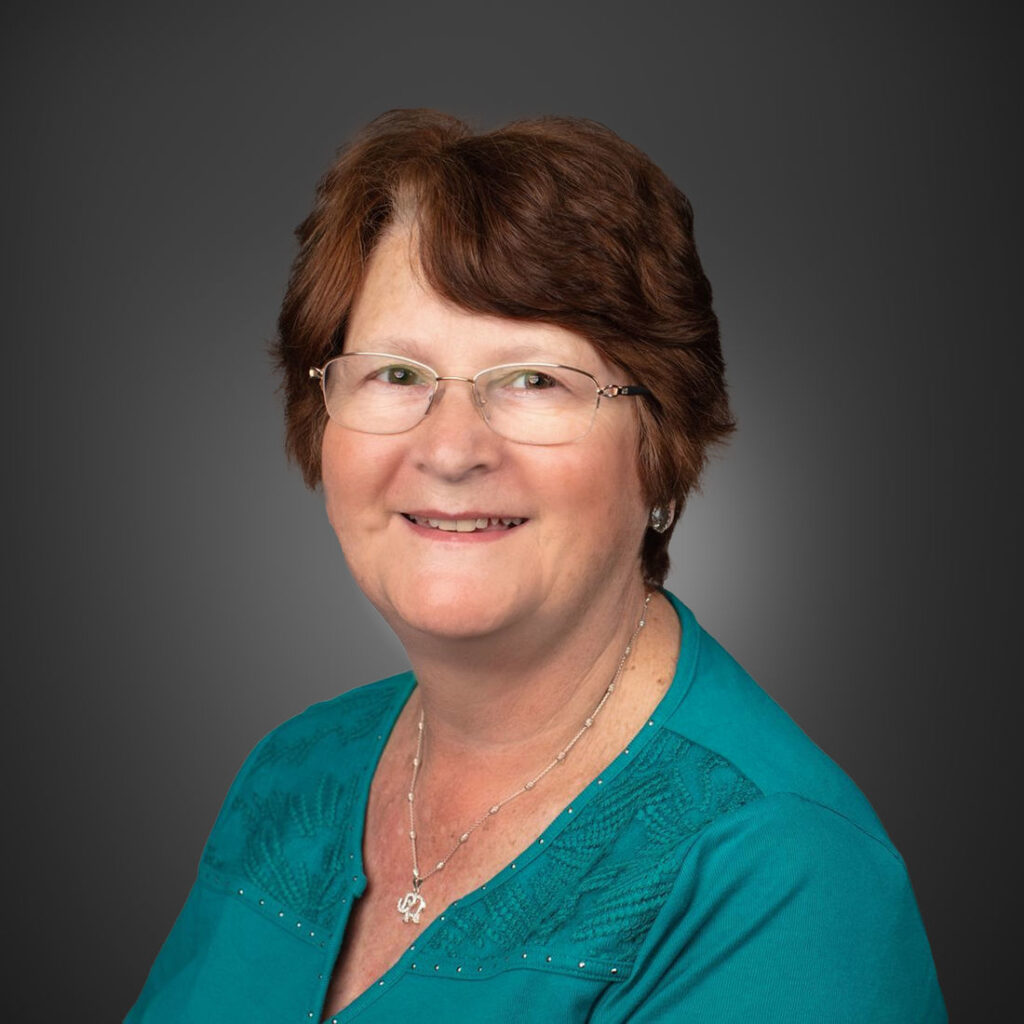

Amy Wang
Mandarin
English


We are here to support you
Please contact us or click on this link if you would like to see one of our experienced psychologists
FAQ
Q1. What happens in the first session? Do I need to prepare?
Your first appointment is 50–60 minutes. We’ll get to know you—what’s been hard, what you’d like to change, and what’s helped before. You’re welcome to bring notes or just come as you are; we’ll go at your pace. Please complete the online intake and consent forms beforehand. Sessions are available in person (Sydney) or via secure telehealth across Australia. We’ll finish with a clear plan and time for your questions. If you’re in immediate danger, call 000.
Q2. How do fees and Medicare/private insurance work? Do I need a GP referral?
You can book without a referral. If your GP provides a Mental Health Treatment Plan, you may be eligible for a Medicare rebate. We’ll check your eligibility and confirm your out-of-pocket cost before you commit. Private health (Extras) can’t be claimed with Medicare for the same session—please check your fund for coverage. If cost is a concern, let us know and we’ll talk through options.
Q3. Will my information be kept confidential?
Yes. Your sessions and records are kept private under strict legal and ethical standards. There are a few exceptions—if there’s a serious risk of harm, concerns about a child or vulnerable person, or a court order. If we ever need to share information, we’ll explain why, what will be shared, and involve you as much as possible.