
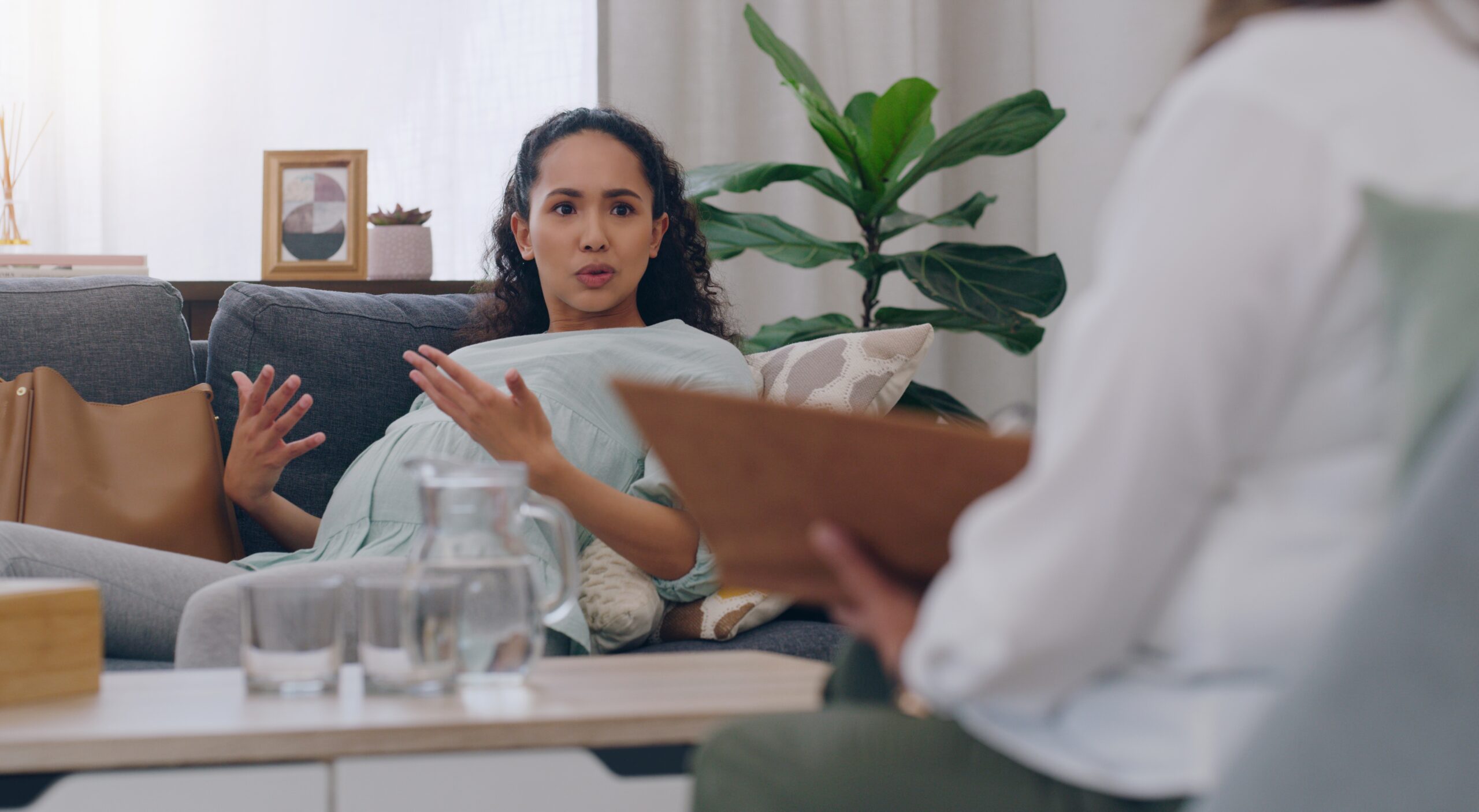
 Relationship difficulties can place significant emotional strain on individuals, even when those relationships are important or long-standing. Ongoing conflict, disconnection, or unresolved tension may affect mental health, daily functioning, and overall wellbeing. For people experiencing ongoing distress linked to relationship challenges, exploring individual counselling support can help clarify emotions and develop healthier ways of coping.
Key Takeaways
- Relationship difficulties can affect emotional wellbeing, sleep, and stress levels
- Ongoing conflict or disconnection may contribute to anxiety or low mood
- Individual counselling can support reflection, emotional regulation, and decision-making
- Support focuses on your experiences, not fixing the other person
- Early support may reduce longer-term emotional strain
How Relationship Difficulties Affect Mental Health
Relationships play a central role in emotional wellbeing. When difficulties arise, they can trigger feelings of stress, anxiety, sadness, frustration, or confusion. Over time, unresolved issues may begin to impact self-esteem, concentration, sleep, and physical health.
Some people notice increased worry or emotional tension linked to relationship strain, which may overlap with symptoms addressed through stress, conflict and tension counselling. Others experience persistent low mood, withdrawal, or reduced motivation, particularly when relationship issues feel ongoing or unresolved.
Common Signs Relationship Stress May Be Affecting You
Relationship difficulties may present in different ways, including:
- Frequent rumination or replaying conversations
- Emotional exhaustion or irritability
- Difficulty sleeping or switching off
- Feeling stuck, conflicted, or unsure about decisions
- Reduced confidence or self-worth
- Increased anxiety in social or family situations
When these patterns persist, individual counselling may help you better understand how the relationship is affecting your mental health and identify supportive strategies moving forward.
When Professional Support May Be Helpful
Professional psychological support may be beneficial when relationship challenges begin to interfere with daily life or emotional wellbeing. This can include situations involving ongoing conflict, separation, emotional distance, or changes in family dynamics.
Some people seek support during periods of separation, adjustment, or significant change, where counselling focused on separation and divorce may help with emotional processing, coping strategies, and decision-making. Others may seek support when they are affected by another person’s mental health, substance use, or behaviour, which can be explored through counselling that supports those impacted by others’ mental health challenges.
What Individual Counselling Can Support
Counselling focuses on your experiences and emotional responses rather than changing or analysing the other person. Sessions may support you to:
- Understand emotional patterns linked to relationship stress
- Develop healthier boundaries and communication strategies
- Process grief, loss, or disappointment
- Build emotional resilience and self-awareness
- Clarify values and priorities moving forward
Counselling is collaborative and tailored to your needs, helping you make sense of complex emotions in a safe and confidential setting.
Support at Transformations Clinical Psychology
At Transformations Clinical Psychology, individual counselling supports adolescents and adults navigating relationship difficulties that impact mental health and wellbeing. Sessions aim to provide space for reflection, emotional understanding, and practical coping strategies during challenging times.
Appointments are available in-person in Chatswood or via telehealth, depending on your preferences and needs.
When You May Wish to Reach Out
If relationship difficulties are contributing to ongoing stress, anxiety, or emotional strain, seeking professional support can be a positive step. You can learn more about our team and approach on our About Us page, or contact reception on 02 9419 8820 or via our Contact Us page to discuss appointments.