
HSC Stress

What are the common symptoms?
Ways you can self-manage your HSC stress are listed below:
- Create a realistic study plan
- Take regular breaks and rest
- Practise mindfulness or meditation
- Maintain a balanced diet and exercise
- Get adequate sleep every night
- Seek support from teachers and peers
- Limit distractions and stay organised
- Keep a positive mindset and manage expectations
Why do I feel like this?
While a certain level of stress can motivate performance, excessive anxiety often hinders concentration and overall well-being.
Stress can manifest physically, emotionally, and behaviourally, impacting both mental health and academic success.
Physical Symptoms
Emotional Changes
Cognitive Difficulties
Behavioural Changes
How does therapy help?
Preparing for the HSC exams can feel overwhelming, but managing stress effectively is key to performing your best. Remember, preparation is not just about studying hard. It is also about looking after your mental and physical wellbeing. By planning ahead and adopting positive coping mechanisms, you can reduce anxiety and approach your exams with confidence. Here are six practical tips to help you manage stress.
Ensure boundaries are set
Create a routine that balances study with breaks, personal time, and social interaction. Reducing screen time can help protect sleep and wellbeing, ensuring you remain productive while maintaining a healthy balance between work, rest, and mental health.
Practice self-care
Journalling, going for walks, going outside for fresh air, chatting to friends, ensuring a balanced diet and physical exercise. These can all be good ways to check in with yourself and ensure you are putting time aside for you.
Surround yourself with emotional support
It is normal to feel anxious during exams. Surround yourself with supportive people who listen, encourage, and reassure you. Take breaks, breathe deeply, and focus on progress rather than perfection. Positive connections can ease stress and boost confidence.
Create supportive environments for yourself
Quiet, peaceful, and comfortable study spaces free from distractions enhance focus and productivity. They reduce stress, improve concentration, and create an organised environment that supports creativity, mental clarity, and effective learning.
Stay self-focused
While it is important to ensure you foster your social relationships throughout times of stress, it is important that you do not compare your performance to others. Instead focus on looking after yourself and doing your best.
Involve your parents / carers
Share your progress, upcoming exam dates, and assignment deadlines with them so they can provide the best possible support, guidance, and encouragement to help you succeed academically and manage your workload effectively.
What are the therapy options that Transformations Clinical Psychology can offer me?
Please contact us or follow this link if you would like to set up an assessment with a Psychologist at Transformations Clinical Psychology.
Meet Our Team
Meet our friendly and experienced team, here to help you with confidence and care.







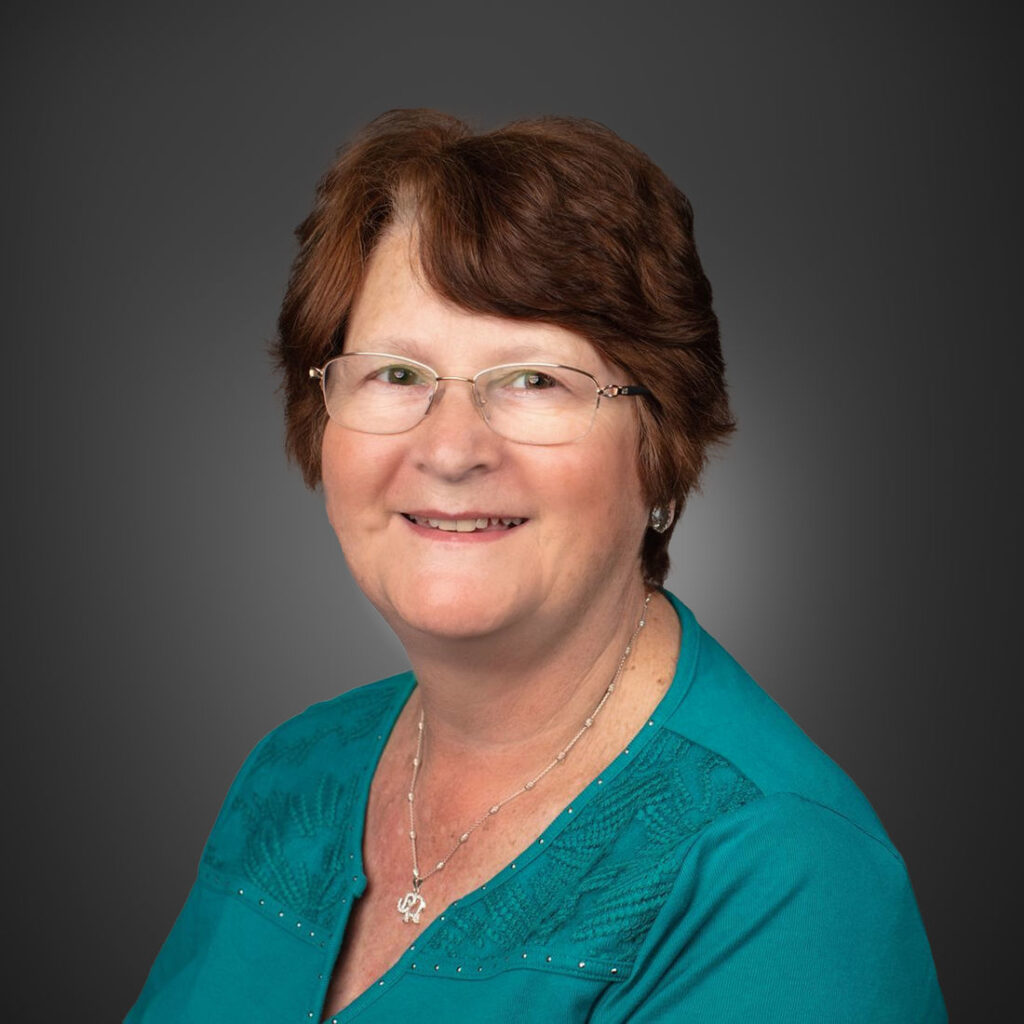

Amy Wang
Mandarin
English


We are here to support you
Please contact us or click on this link if you would like to see one of our experienced psychologists
FAQ
Q1. What happens in the first session? Do I need to prepare?
Your first appointment is 50–60 minutes. We’ll get to know you—what’s been hard, what you’d like to change, and what’s helped before. You’re welcome to bring notes or just come as you are; we’ll go at your pace. Please complete the online intake and consent forms beforehand. Sessions are available in person (Sydney) or via secure telehealth across Australia. We’ll finish with a clear plan and time for your questions. If you’re in immediate danger, call 000.
Q2. How do fees and Medicare/private insurance work? Do I need a GP referral?
You can book without a referral. If your GP provides a Mental Health Treatment Plan, you may be eligible for a Medicare rebate. We’ll check your eligibility and confirm your out-of-pocket cost before you commit. Private health (Extras) can’t be claimed with Medicare for the same session—please check your fund for coverage. If cost is a concern, let us know and we’ll talk through options.
Q3. Will my information be kept confidential?
Yes. Your sessions and records are kept private under strict legal and ethical standards. There are a few exceptions—if there’s a serious risk of harm, concerns about a child or vulnerable person, or a court order. If we ever need to share information, we’ll explain why, what will be shared, and involve you as much as possible.